By Hisham Jabi, Founder & CEO
As of early 2025, Syria stands at a precarious turning point. With 16.5–16.7 million people—over 70% of its ~23 million population—in need of humanitarian aid, and more than 13 million displaced, the scope of the challenge is immense. Yet, the transitional leadership under President Ahmed al‑Sharaa has shown early signs of structural progress and international engagement.
1. Integration of Kurdish-Led Forces and Control of Northeast Resources
In a landmark March 10, 2025, agreement, the Kurdish-led SDF formally merged with the national army—bringing the agricultural and oil-rich northeast region under Damascus control for the first time since 2012. This accord includes integration of border crossings, airports, oilfields, and civil institutions, while guaranteeing Kurdish cultural and political rights—if implemented as intended, it’s a major step toward national reconsolidation.
2. Rising Friction Among Local Communities
Simultaneously, tensions persist between Sunni tribes and Druze communities in Suwayda and southern Syria. Though reliable quantifiable data is limited, media reports confirm escalating clashes that require proactive, locally led political mediation and inclusive governance.
3. Reintegration of Former Regime Networks
Reconciliation with remnants of Assad-era security and paramilitary forces remains delicate. While the SDF integration offer creates a model, broader vetting and gradual military unification are vital to minimize systemic shocks and maintain public confidence.
4. Dire Economic and Humanitarian Conditions
- The country’s GDP collapsed over 70% between 2010 and 2017.
- The IMF now estimates reconstruction costs of $250–400 billion, with over 90% living below poverty and unemployment—and even youth joblessness—soaring.
- Donors pledged approximately €6.5 billion in aid at the March 2025 Brussels summit, though reconstruction will need far more sustained capital.
5. Lost Generation of Youth
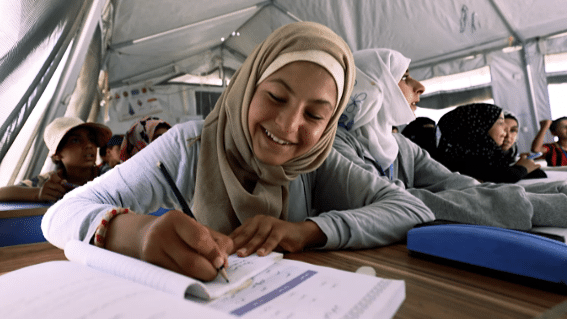
Before the conflict, nearly 39% of young Syrians were already not in education, employment, or training (NEET); conflict conditions have only widened this gap. Millions of youth remain out of school or skills systems—mobilizing this cohort will be key to recovery.
6. Infrastructure Collapse
Power plants, water networks, hospitals, and schools have been severely damaged or destroyed: nearly 52% of Aleppo’s infrastructure is unusable, and electricity outages average 43 days annually in key cities. The cost to restore energy infrastructure alone has been estimated at USD 2.4 billion.
7. External Security Challenges and Israeli Interventions
Recent Israeli strikes targeting Iranian-linked installations in southern Syria have further exposed regime vulnerability and raised concerns over sovereignty. These incidents heighten pressure on the government to prove it can ensure fundamental security.
8. Refugee Return and Reintegration
A new government‑backed repatriation initiative launched in 2025 aims to return 200,000–400,000 Syrians from Lebanon by year-end, offering transportation, family grants, and waived residency fines. Over 205,000 returnees have been recorded so far, including 126,000 verified full returns. Still, success hinges on rebuilding housing, public services, and productive livelihoods.
Syria’s Strategic Assets
Despite these overwhelming challenges, Syria retains significant strengths:
- A young, resilient population hungry for education, skills, and entrepreneurship.
- Strategic geography, central between Mediterranean, Gulf, and Levant trade corridors.
- Underutilized fertile Jazira plains and agro-potential, if climate and irrigation are addressed.
- A diaspora of skilled professionals and a strong local tradition of technical education.
- Community-based governance and social solidarity networks that endured throughout the war.
Conclusion
For the new Syrian government, momentum must build on the March 2025 Kurdish integration deal, accelerate economic stabilization and infrastructure repair, and actively engage youth and returnees in rebuilding. International financial support—particularly the €6.5 billion pledged—must be channeled transparently to restore services and livelihoods. With inclusive leadership, strategic use of natural and human capital, and clear institutional reforms, Syria has a fighting chance to transform fragility into durable progress.