By Hisham Jabi, CEO Jabi Consulting www.jabiconsulting.com
A Region Defined by Its Young People
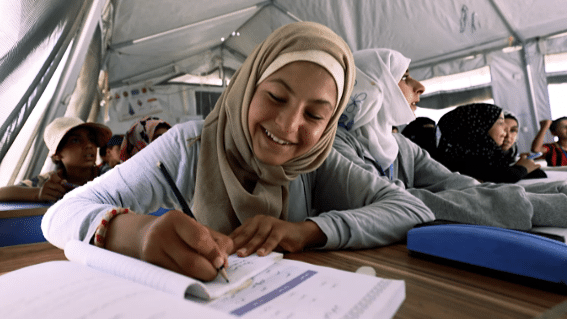
Each year on August 12, International Youth Day invites the world to reflect on the hopes and challenges of the largest youth generation in history. Nowhere is this reflection more pressing than in the Middle East and North Africa (MENA), where nearly one in five citizens is between 15 and 24 years old—an estimated 90 to 100 million youth. Their creativity, resilience, and ambition represent an immense demographic dividend. But the statistics also reveal stark obstacles that prevent many from realizing their potential.
Education enrollment remains uneven: only about half of young people in middle-income MENA countries are in school or training. At the same time, the region holds the highest youth unemployment rate in the world, averaging 26–28%, roughly double the global average. More than three in ten young people are not in education, employment, or training (NEET), with the figure particularly high for women. Although women make up nearly 48% of the youth population, their participation in the workforce and politics lags behind, especially in rural areas.
Access to technology is a double-edged sword. Nearly 70% of people in the Arab States are online, with youth at the forefront of digital engagement. While social media has created platforms for activism, learning, and entrepreneurship, it is also dominated by informal interactions and vulnerable to misinformation. At the same time, surveys show that about one-third of youth aspire to emigrate, often citing limited opportunities, corruption, or lack of trust in governance. In some countries, nearly half of young people express a desire to leave.
Between Perception and Potential
Beyond statistics, it is essential to understand how young people in cities like Cairo, Sana’a, Gaza, or Amman experience their role in society. Many feel they are seen by policymakers as liabilities rather than assets. While official speeches may praise youth as the region’s future, their exclusion from real leadership positions in government and community decision-making tells another story. This alienation is even sharper for young women, particularly those in rural areas, who face multiple layers of exclusion.
Employment illustrates these structural barriers. Few young people believe recruitment is based on merit; instead, family, political or social connections are seen as the surest path to a job. For many, particularly young women, government jobs in education or health remain the only perceived path to stability.
My own work evaluating youth programs across the region shows that young people are influenced more by their peers and social media than by families or schools. Peer networks can offer solidarity, but they can also expose vulnerable youth to radicalization or harmful narratives. Similarly, while digital platforms are powerful, they are often used more for socializing than for concrete skill-building or livelihood preparation. Education, too, is losing its credibility. Young men may pursue it for social status, while young women often use it as a means to delay marriage. Without stronger links to jobs and economic opportunity, education risks being viewed less as an investment and more as a social placeholder.
A Call for a New Mindset
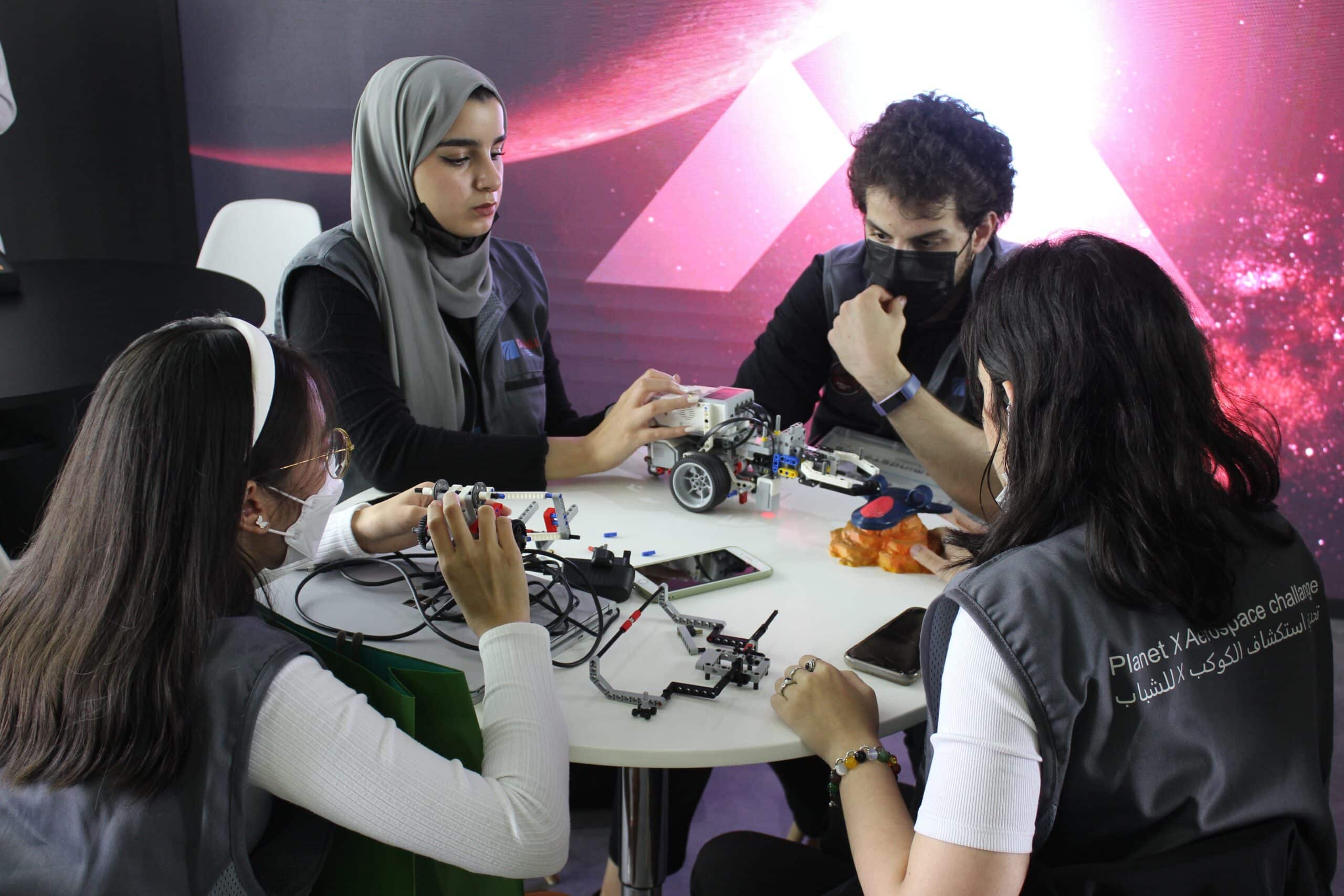
For MENA’s youth to become true agents of change, policymakers, communities, and leaders must make a fundamental shift: to recognize young people assets to be nurtured, not problems to be managed. This means granting them real opportunities to lead. As the old saying goes, “the best way to learn something is to teach it.” Empowering youth to design, implement, and manage initiatives—supported by adult mentoring, training, and resources—transforms both how they see themselves and how society perceives them.
With over 90 million young people in the MENA region, the stakes are high. If youth are empowered to lead, they can unlock innovation, foster resilience, and drive inclusive growth. On this International Youth Day, the message is clear: the region’s future will be defined not by sidelining its youth, but by enabling them to lead the change.