By Hisham Jabi, CEO Jabi Consulting
Across the Middle East and North Africa (MENA), young people represent one of the region’s greatest untapped resources. With nearly 60% of the population under 30, youth should be at the forefront of economic growth, AI adaptation, social innovation, and political renewal. Yet they remain systematically marginalized, struggling to find meaningful economic opportunities and excluded from decision-making. This article, drawing on observations from recent travels through Jordan, Syria, Lebanon, Palestine, Egypt, and the Gulf, blends insights with hard data to diagnose the challenges and outline a vision for change.
The Paradox: Young, Educated, and Unemployed
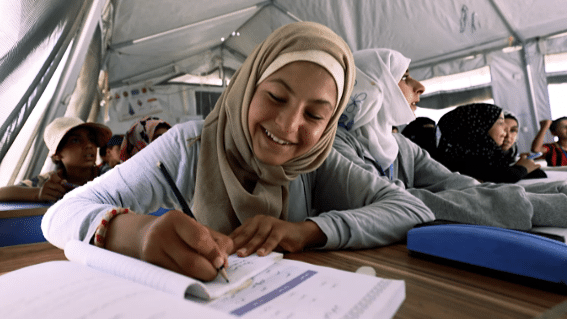
MENA’s youth are not short on ambition, talent, or education. Many countries have achieved near-universal enrollment in basic education and record numbers of university graduates. In Jordan, for example, 54.7% of university undergraduates are women, yet only 17% of educated women enter the workforce—a stark indicator of gender inequity. Youth unemployment in the region stands at 27% (ILO, 2023)—the highest in the world—and exceeds 35% in some countries, particularly among women. In Palestine, nearly 50% of young graduates remain jobless. Education systems are often disconnected from labor market needs, producing degrees but not employable skills. Meanwhile, ministries and donor programs tend to be adult-centered, relegating young people to token roles rather than empowering them as true partners in shaping policies and priorities.
Barriers to Empowerment
Education–Labor Market Mismatch
- Over 50% of MENA youth report that their education did not prepare them for work (World Bank).
- Research shows a one-point improvement in perceived education quality correlates with a 4% drop in youth unemployment.
- In Egypt, Jordan, and Tunisia, as many as 50% of graduates are overqualified relative to available jobs.
High Youth Unemployment & NEET Rates
- MENA’s youth unemployment rate remains nearly twice the global average (14%), at 25–30%.
- In 2023, 31.5% of youth aged 15–29 were not in employment, education, or training (NEET).
Weak Civic & Political Participation
- Only 9% of youth in MENA engage regularly with civic organizations—one of the lowest rates globally.
- Structural exclusion from consultative roles fuels apathy and mistrust, leaving youth sidelined from meaningful decision-making.
A Vision for Action
Addressing youth unemployment and disengagement is not just a moral imperative—it is an economic necessity. According to UNESCO, closing gender gaps in education and employment could add $575 billion to regional GDP by 2050. McKinsey estimates that economic diversification in the Gulf alone could raise GDP by 2.7% by 2030, much of it fueled by youth talent.
I propose three actionable priorities:
Equip Youth with Skills that Matter
Invest in 21st-century skills such as digital literacy, AI, entrepreneurship, and technical training. Scalable programs like Injaz in Jordan and Gaza Sky Geeks in Palestine show the way. Governments and donors should support apprenticeships, coding boot camps, and market-aligned workforce development.
Empower Young Women through Education and Technology
While women’s higher education enrollment is increasing, their workforce participation remains dismal. Closing this gap demands targeted investments in technical, leadership, and entrepreneurial skills.
Institutionalize Youth Engagement
Move beyond tokenism by embedding youth advisory councils, participatory budgeting, and transparent feedback mechanisms into governance structures. Youth deserve a real voice in decisions shaping their futures.
A Wake-Up Call — and a Call to Action
The Middle East is home to nearly 500 million people, with roughly 150 million aged 15–29. Yet despite this demographic strength, the region risks losing its greatest asset. The next phase of youth development must move beyond job fairs and workshops—toward systemic reform, scalable investment, and restoring dignity and agency to young people. From climate change to AI, from social cohesion to economic diversification, the future will belong to those who invest in their youth today.